



Remote Work & the Gig Economy
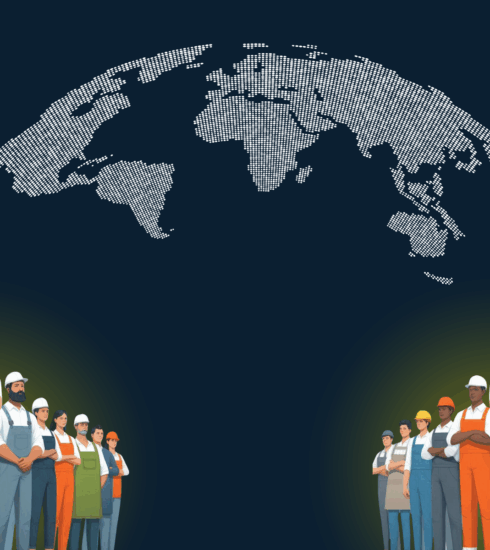
Companies in Europe, North America, and Asia are hiring African talent for roles in software development, graphic design, content creation, and customer service.
The COVID-19 pandemic accelerated remote work worldwide, and Africa is no exception. Digital platforms and freelance marketplaces have opened global opportunities for African professionals in software development, graphic design, content creation, and customer service.
Platforms such as Upwork, Fiverr, and Andela now connect African talent with companies in Europe, North America, and Asia, enabling professionals to earn competitive wages while staying in their home countries.
The gig economy is also gaining momentum across the continent. Ride-hailing, delivery services, freelance writing, and consulting are providing flexible income streams for a wide range of skill levels. The freedom to set working hours, combine multiple projects, and pursue varied interests has made this model especially attractive to young people and those seeking additional sources of income.
While these opportunities are growing, challenges remain. Gig workers and freelancers often face instability, irregular income, and limited access to benefits. As Africa’s digital economy expands, the sector must mature with stronger protections, career pathways, and inclusive policies that safeguard workers’ rights.
Success in this evolving landscape will depend on adaptability. Professionals who continually upgrade their skills, build a personal brand, and remain agile in navigating multiple work streams will be best positioned to thrive. Remote work and the gig economy are no longer side trends, they are shaping the future of Africa’s workforce.
Career Indaba® Magazine I Timeless Career Legacy.