



Industries Poised for Growth in Africa
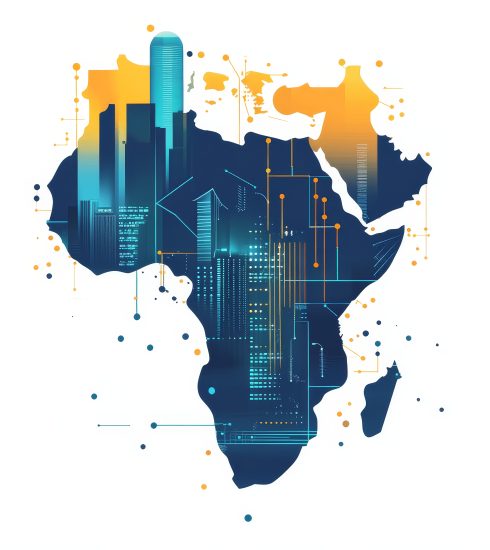
Africa’s growth story is accelerating, driven by rapid urbanization, a youthful population, and a rising middle class. By 2050, nearly 60% of the population will live in cities, creating unprecedented demand for infrastructure, energy, and services. Combined with abundant natural resources and expanding global trade links, the continent is positioned as one of the world’s most promising regions for economic transformation.
While challenges remain, including infrastructure gaps and political instability in some areas, multiple industries are advancing at pace and are set to redefine Africa’s economic future. Fintech, renewable energy, healthcare, agribusiness, construction, ICT, tourism, manufacturing, education, and the creative economy are emerging as engines of growth, job creation, and innovation.
1. Fintech
Fintech is reshaping Africa’s financial landscape by expanding access to banking and payments for millions of unbanked and underbanked citizens. Mobile money platforms such as M-Pesa in Kenya and MTN Mobile Money in West Africa have unlocked economic participation in underserved communities. Investment in the sector surged by more than 900 percent between 2020 and 2021, and continues to attract global venture capital. As digital payments, lending, and microfinance evolve, new jobs are emerging in software development, cybersecurity, and data analytics.
Key trends include the expansion of mobile wallets, blockchain adoption, and rising venture capital flows into startups.
2. Renewable Energy
Over 600 million Africans still lack access to electricity, creating immense potential for solar, wind, and hydropower solutions. Projects such as Morocco’s Noor Ouarzazate Solar Complex and Kenya’s Lake Turkana Wind Farm demonstrate how renewable energy is transforming communities. The sector is generating employment in installation, maintenance, and project management while aligning with global climate goals.
Key trends include the growth of off-grid solar, strong foreign direct investment, and government policies supporting the transition from fossil fuels to green energy.
3. Healthcare and Telemedicine
Population growth, urbanization, and rising non-communicable diseases are straining Africa’s healthcare systems. The pandemic accelerated adoption of telemedicine, making healthcare more accessible while reducing pressure on facilities. Countries such as Rwanda and South Africa are building strong digital health platforms and public-private partnerships. The demand for tech-enabled medical services is fueling opportunities for doctors, IT specialists, and health entrepreneurs.
Key trends include the rise of digital health startups, telemedicine platforms, and targeted investment in healthcare infrastructure.
4. Agribusiness
Agriculture continues to employ more than 60 percent of Africa’s workforce, and agritech innovations are modernizing the sector. Companies like Twiga Foods in Kenya and FarmCrowdy in Nigeria are connecting farmers to markets, financing, and technology. With Africa’s population projected to double by 2050, efficient farming and food processing will be vital to food security.
Key trends include smart farming and IoT adoption, growth in exports, and increased investment in value-added food production.
5. Construction and Infrastructure
Rapid urbanization is driving major demand for housing, roads, and transport systems. Continental initiatives such as the African Union’s Agenda 2063 place infrastructure at the core of economic transformation. Large-scale projects, including the East African Standard Gauge Railway and the Trans-West African Coastal Highway, are creating jobs while enhancing regional trade. Affordable housing projects are also reshaping cities and expanding opportunities for construction professionals.
Key trends include public-private partnerships, smart city development, and sustainable building practices.
6. ICT and the Digital Economy
Internet penetration, mobile adoption, and startup ecosystems are powering Africa’s digital revolution. Technology hubs such as Nairobi’s Silicon Savannah are producing world-class innovations across education, agriculture, healthcare, and governance. As digital transformation accelerates, demand for software developers, cybersecurity experts, and digital marketers continues to rise.
Key trends include 4G and 5G expansion, the growth of e-commerce, and the increasing importance of data-driven services.
7. Tourism and Hospitality
Tourism remains a cornerstone of Africa’s economy, with Morocco, Egypt, Kenya, and South Africa leading the way. The sector is rebounding after the pandemic, supported by domestic travel, ecotourism, and cultural tourism. As global travel recovers, jobs in hospitality management, travel services, and ecotourism projects will grow, supported by improvements in airports, hotels, and transport networks.
Key trends include sustainable tourism practices, the rise of cultural tourism, and a steady rebound of international arrivals.
8. Manufacturing
Manufacturing is expanding as African countries strengthen local industries and reduce import dependence. The African Continental Free Trade Area (AfCFTA) is unlocking new regional supply chains and boosting industrialization. Ethiopia has become a textile hub, while Morocco and South Africa are advancing in automotive production.
Key trends include export-oriented manufacturing, growth in value-added industries, and greater regional trade through AfCFTA.
9. Education and E-Learning
A youthful population and growing internet access are driving rapid adoption of digital education platforms. Companies like Andela and international platforms such as Udemy are creating pathways for Africans to learn digital and professional skills. Initiatives like Africa Code Week are equipping young people with coding abilities, positioning them for future jobs.
Key trends include the expansion of e-learning platforms, investment in education technology, and rising demand for vocational training.
10. Creative Economy
Africa’s music, film, and fashion are capturing global attention, generating both cultural influence and economic value. Nigeria’s Nollywood is now the second-largest film industry in the world by volume, while African artists are topping international charts. Digital platforms such as YouTube and Spotify have widened global access, opening new opportunities for creators and media entrepreneurs.
Key trends include digital distribution growth, the expansion of fashion and arts, and demand for skilled professionals in content production.
Conclusion
The industries shaping Africa’s future are generating jobs, attracting investment, and unlocking innovation at a historic scale. With the right focus on infrastructure, education, and skills development, the continent can harness these growth frontiers to build an inclusive and sustainable economy for the decades ahead.
Career Indaba® Magazine I Timeless Career Legacy.
References: AfDB. (2021). African Economic Outlook 2021. African Development Bank. World Bank. (2021). World Development Indicators: African Growth 2021. African Union. (2020). Agenda 2063: The Africa We Want. UNECA. (2021). Africa’s Infrastructure Development: Bridging the Gap. McKinsey & Company. (2020). Unlocking the Potential of African Fintech. International Renewable Energy Agency (IRENA). (2021). Renewable Energy Market Analysis: Africa and Its Regions.