

Building ethical systems of care
- December 29, 2025
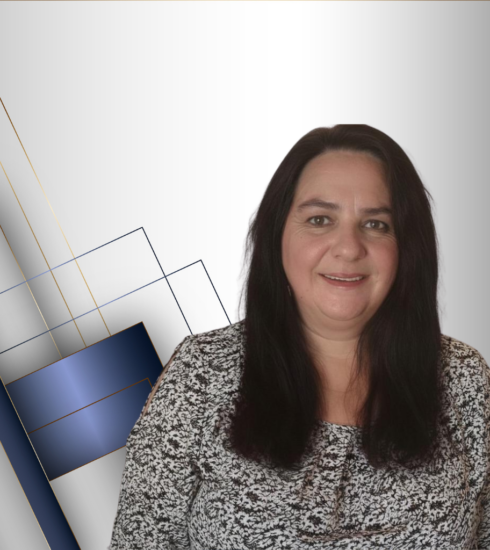
Samantha Monyela’s work sits at the intersection of humanity and systems. Through social work, mental health leadership, and ethical governance, she has built a career focused on holding people with dignity while strengthening the structures meant to support them.
I am a South African woman, born and raised in a country shaped by deep pain, resilience, and extraordinary possibility. I grew up navigating both the challenges and the richness of post-apartheid South Africa, in a home grounded in strong family values, community, and collective responsibility. These early experiences shaped how I see the world and continue to guide the work I do today.
Being African, to me, means understanding that identity is relational. I come from a culture where people are raised by families, neighbours, elders, and shared stories. Ubuntu is not a theory I learned later in life, it is something I lived. It taught me that dignity, compassion, and accountability matter, and that my well-being is deeply connected to the well-being of others.
My South African identity is multilingual and multicultural. I speak English, Sepedi, isiZulu, Sesotho, and Setswana. Language has taught me humility and curiosity, showing me, how meaning shifts depending on context and lived experience. It has shaped how I listen, how I engage, and how I hold space for people across backgrounds.
Culturally, I was raised with strong traditions around respect for elders, collective problem-solving, and emotional restraint balanced with deep care. Food, music, and gatherings were never just social events; they were spaces of connection, storytelling, and healing. These rhythms influence how I work, how I lead, and how I understand pain and resilience.
I value integrity, service, and purpose. This belief led me into social work, and later into mental health and wellness, where I have spent years supporting individuals, families, and organisations through crisis, transition, and growth. From my ancestors, I inherited resilience and endurance, lessons that strength is not always loud, but often looks like consistency, care, and showing up even when it is difficult.
My early career began in the public sector as a statutory social worker in the Department of Social Development. I worked directly with vulnerable children and families, managing foster care placements, reunification processes, crisis interventions, and court-related work. The responsibility was immense, and the work was deeply human.
I was drawn to social work because of my own lived experiences and a desire to be useful in spaces where people often feel powerless or unheard. Very early on, I learned that meaningful change requires both compassion and structure. Good intentions alone are not enough without accountability.
Those years taught me to see people in context, to understand how poverty, trauma, family systems, and work intersect. I also saw the long-term effects of untreated emotional distress, not just on individuals, but on families, workplaces, and communities. This insight later influenced my decision to move into the employee wellness and mental health space, where I could focus on prevention, early intervention, and systemic support.
"Academically, I was inducted into the Golden Key International Honour Society and awarded the Abe Bailey bursary in 2009."
My formal education laid the academic and ethical foundation for my career. I completed my schooling at Parktown High School for Girls and went on to earn a Bachelor of Social Work and an Honours degree in Social Science from the University of Johannesburg in 2009.
My studies were multidisciplinary, combining social work, psychology, sociology, and philosophy, and emphasised ethics, reflective practice, and evidence-based intervention.
These recognitions affirmed my commitment to excellence and reinforced my belief that achievement and purpose can coexist.
My career has unfolded in distinct stages. After public service, I transitioned into employee wellness and mental health, working as an Employee Wellness Practitioner, Senior Case Manager, and later in supervisory and managerial roles. These positions expanded my scope from individual casework to managing complex clinical pathways, supporting organisations, and guiding practitioners through high-pressure situations.
Stepping into leadership roles required integrating clinical expertise with operational thinking. As a supervisor, client relationship manager, and later in national operations and key account leadership roles, I oversaw large-scale wellness programmes, managed multidisciplinary teams, engaged senior stakeholders, and contributed to strategic planning.
These roles deepened my understanding of systems, governance, and sustainable impact. Remaining connected to clinical work ensures that my leadership decisions are grounded in lived realities, not theory alone.
My achievements are rooted in impact rather than titles. From carrying statutory responsibility for vulnerable children early in my career, to strengthening employee wellness services across organisations such as ICAS, Kaelo Xelus, and Universal Corporate Wellness, I am proud of work that has improved service quality, ethical governance, and access to credible care.
My career legacy is defined by how I have held people and systems with care at the same time. I hope to be remembered as someone who bridged human experience and organisational responsibility without losing sight of either. Through protocol development, supervision, and national leadership, I have contributed to professionalising employee wellness services so they are preventative, humane, and ethically grounded.
One of my biggest challenges was transitioning from purely clinical work into senior operational leadership. Holding responsibility for systems, teams, and outcomes affecting thousands of people required a different skill set. I invested in learning to think systemically, communicate clearly, and make decisions grounded in both data and ethics, while staying connected to frontline realities.
A defining turning point in my career came when I moved from public sector social work into the employee wellness space. I realised that many crises I was responding to were shaped long before they reached breaking point. That insight clarified my purpose: to help build systems of care that support people before crisis becomes inevitable.
If I were to summarise my career in one sentence, it would be this “my work has been about holding humanity and responsibility together, building ethical mental health systems that support people before crisis defines them.”
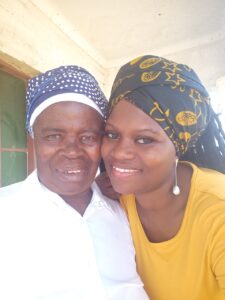
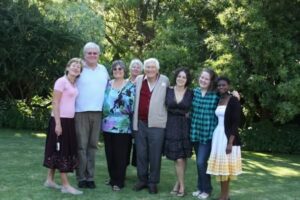
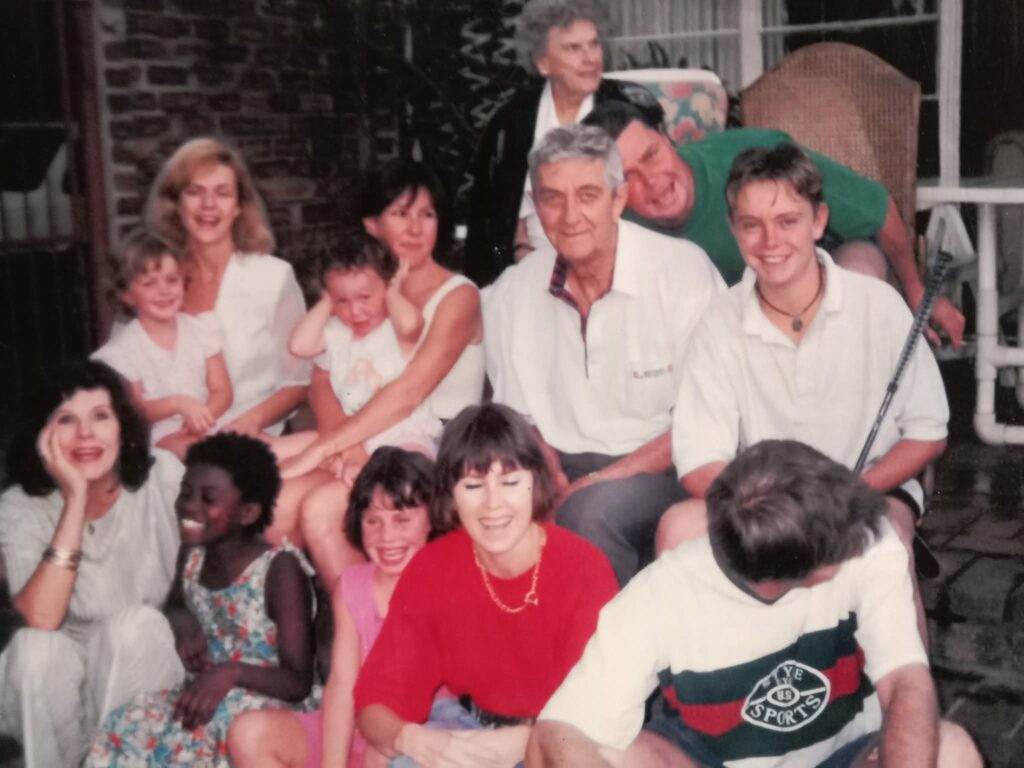
I am deeply shaped by those who guided me at critical moments. My mother, Maria Monyela, taught me dignity, discipline, and the value of work. My adoptive parents, Audrey and Robert Wightman, showed me the power of structure and stability. A teacher, Josephine Allais, modelled leadership as presence, accountability, and belief. Their influence continues to guide how I lead and mentor others.
Looking ahead, my vision is to help shape a world where mental health and well-being are treated as essential, not optional, where care is built into how organisations and communities live and work, and where dignity remains at the centre of leadership.